

The Department of Health serves as a fundamental pillar in maintaining and improving the well-being of communities nationwide. Its functions extend far beyond simply treating illness. This crucial agency works proactively to prevent disease, educate the public, and ensure access to essential health services for everyone, regardless of their background or location. Understanding the multifaceted nature of the department of health role is key to appreciating its impact on daily life and long-term societal health.
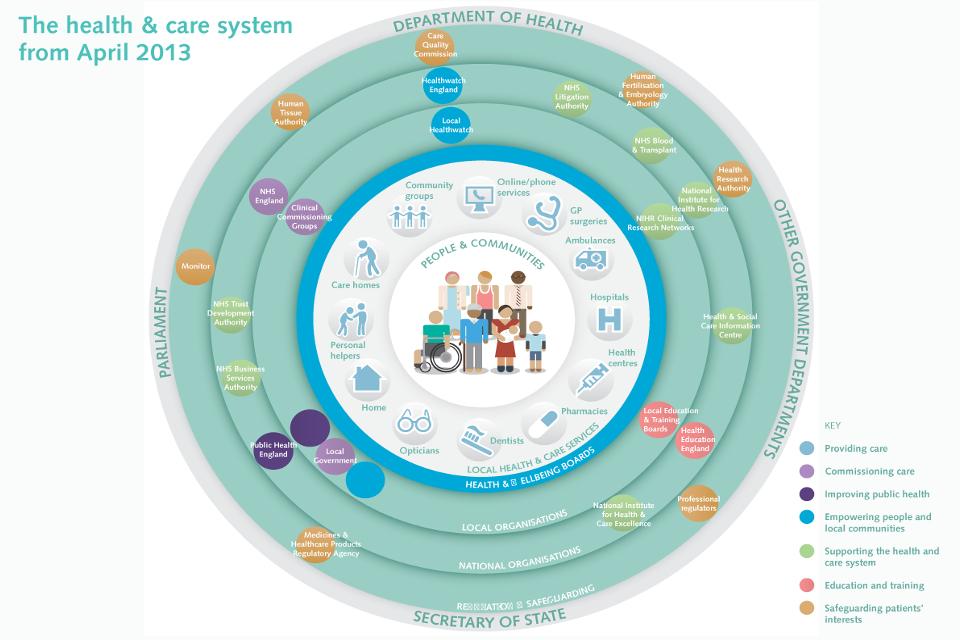
Overview
- The Department of Health actively works to prevent disease outbreaks and promote healthy lifestyles within communities.
- It plays a critical part in preparing for and responding to various public health emergencies, from natural disasters to epidemics.
- Ensuring equitable access to healthcare services, including screenings and vaccinations, is a primary function.
- The department establishes and enforces regulations to maintain safety and quality standards in food, water, and healthcare facilities.
- Public health education campaigns are a vital tool for empowering individuals with knowledge to make informed health decisions.
- Data collection and analysis are used to identify health disparities and guide targeted interventions.
- Collaboration with local agencies, federal bodies, and community organizations is essential for effective health initiatives.
- Services often include maternal and child health programs, chronic disease management, and mental health support.
The primary department of health role centers on protecting and improving community health. This involves a broad spectrum of activities, from developing policies to providing direct services. In the US, these departments operate at federal, state, and local levels, each with specific responsibilities that collectively form a robust public health infrastructure. Their work directly affects quality of life, economic stability, and overall societal resilience by fostering healthier populations.
Promoting Wellness and Disease Prevention: A Core Department of Health Role
One of the most visible and impactful aspects of the department of health role involves proactive measures to keep communities healthy. This includes widespread vaccination programs that protect against infectious diseases like measles, polio, and influenza. These initiatives not only safeguard individuals but also build herd immunity, preventing large-scale outbreaks. Public health campaigns frequently educate residents on critical topics such as nutrition, physical activity, and the dangers of smoking. They also address specific health concerns prevalent in certain demographics.
Furthermore, the department often conducts screenings for conditions like high blood pressure, diabetes, and certain cancers. Early detection greatly improves treatment outcomes. Environmental health components assess and mitigate risks related to air and water quality. They also oversee food safety regulations, ensuring that restaurants and food producers adhere to strict hygiene standards. These preventive services reduce the burden on healthcare systems and foster a healthier, more productive populace. Through these efforts, communities can avoid many preventable illnesses and enjoy a higher standard of living.
Responding to Public Health Emergencies
When unexpected health crises strike, the Department of Health is often at the forefront of the response. This critical function includes preparedness planning for a variety of scenarios. These may range from natural disasters, such as hurricanes or earthquakes, to infectious disease epidemics like the flu or COVID-19. They develop contingency plans, stockpile essential medical supplies, and train personnel to act quickly and effectively. During an emergency, the department coordinates with other agencies, including emergency services and law enforcement.
Their responsibilities include rapid disease surveillance, tracking the spread of illnesses, and identifying affected populations. They issue public health alerts, provide clear guidance on protective measures, and set up testing and treatment centers. For instance, in the event of a chemical spill, they would monitor air quality and advise residents on evacuation or shelter-in-place procedures. This swift and organized response is vital for minimizing casualties and controlling the situation. It protects the community’s safety and restores stability during times of crisis.
Ensuring Healthcare Access: The Department of Health Role
A fundamental department of health role is to ensure that all members of the community have access to necessary healthcare services. This is especially true for underserved populations, who may face barriers due to income, geographic location, or lack of insurance. Departments often operate community health clinics that offer affordable primary care, dental services, and mental health support. They work to reduce health disparities by targeting resources to those most in need.
Many departments manage programs that provide care for mothers and children, including prenatal care, well-child check-ups, and immunization services. They also support initiatives for chronic disease management, helping individuals living with conditions like asthma or heart disease. Facilitating access to family planning services and sexual health education is another vital component. The department often helps eligible individuals enroll in public health insurance programs. This effort ensures that essential medical care is not a privilege, but a right available to all.
Regulating Health Standards and Safety: A Vital Department of Health Role
The Department of Health also carries out significant regulatory functions to protect public health and safety. They establish and enforce health and safety standards across various sectors. This includes licensing and inspecting healthcare facilities, such as hospitals, nursing homes, and laboratories, to ensure quality care and patient safety. They monitor environmental factors, like water sanitation and waste disposal, to prevent contamination and the spread of disease.
Food safety is another critical area, with regulations covering everything from restaurant cleanliness to the handling and labeling of food products. The department investigates outbreaks of foodborne illness to identify sources and prevent recurrence. They also regulate pharmacies and pharmaceutical products, ensuring drugs are safe and properly dispensed. These regulatory actions create a safe environment for communities to live, work, and receive care. This oversight builds trust in public services and protects individuals from potential harm.